May 9, 2026
Every family in Delhi eventually faces the same great debate: Shimla or Manali? You’ve got a group of ten, a week off, and the hills are calling — but the shimla vs manali question is dividing the family WhatsApp group right down the middle. At 9ice India Travels, we’ve driven both routes hundreds of times from Mahipalpur. We know the roads, the pit stops, the toll booths, and exactly where the mountains start showing off. So let us settle this once and for all — and help you figure out which destination is the right fit for your group.
The Road Trip Reality — Delhi to Shimla vs Delhi to Manali
The first thing to understand about shimla vs manali is that these are not just two destinations — they’re two completely different driving experiences.
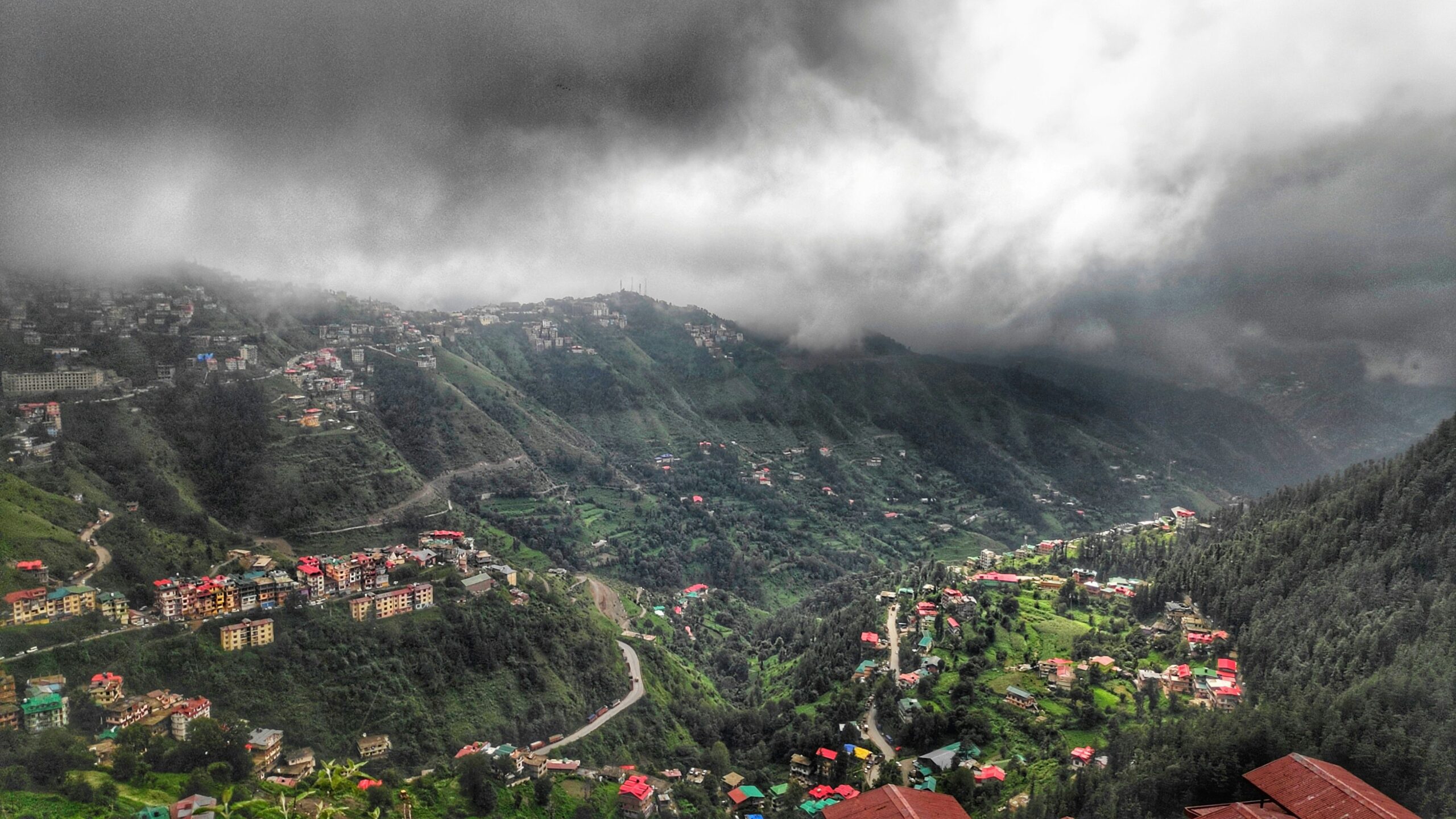
Delhi to Shimla covers approximately 344 km via NH44 and NH5. In good traffic conditions, expect 8 to 9 hours of driving. The route is largely highway until Kalka, after which the roads narrow and begin climbing through pine forests. It’s manageable, predictable, and well-suited to families travelling with elderly members or young children who don’t handle long drives well.
Delhi to Manali is a different commitment altogether — roughly 570 km via NH44 and NH3, taking 12 to 14 hours depending on traffic and road conditions. Post-Kullu, the terrain becomes significantly more demanding. Mountain roads narrow, hairpin bends multiply, and the driving requires focus and hill-route experience. For this reason, we always recommend an overnight departure from Delhi when heading to Manali — you skip the city traffic, cover the flat highway stretch at night, and arrive in the hills by morning.
If your group includes grandparents, toddlers, or anyone prone to car sickness, Shimla is the kinder choice. If your group is energetic, younger, and excited by the journey itself — Manali rewards that adventurous spirit.
Which Destination Suits Your Group Size?
Group size should play a significant role in your shimla vs manali decision, and this is where road travel in a tempo traveller makes the most financial sense.
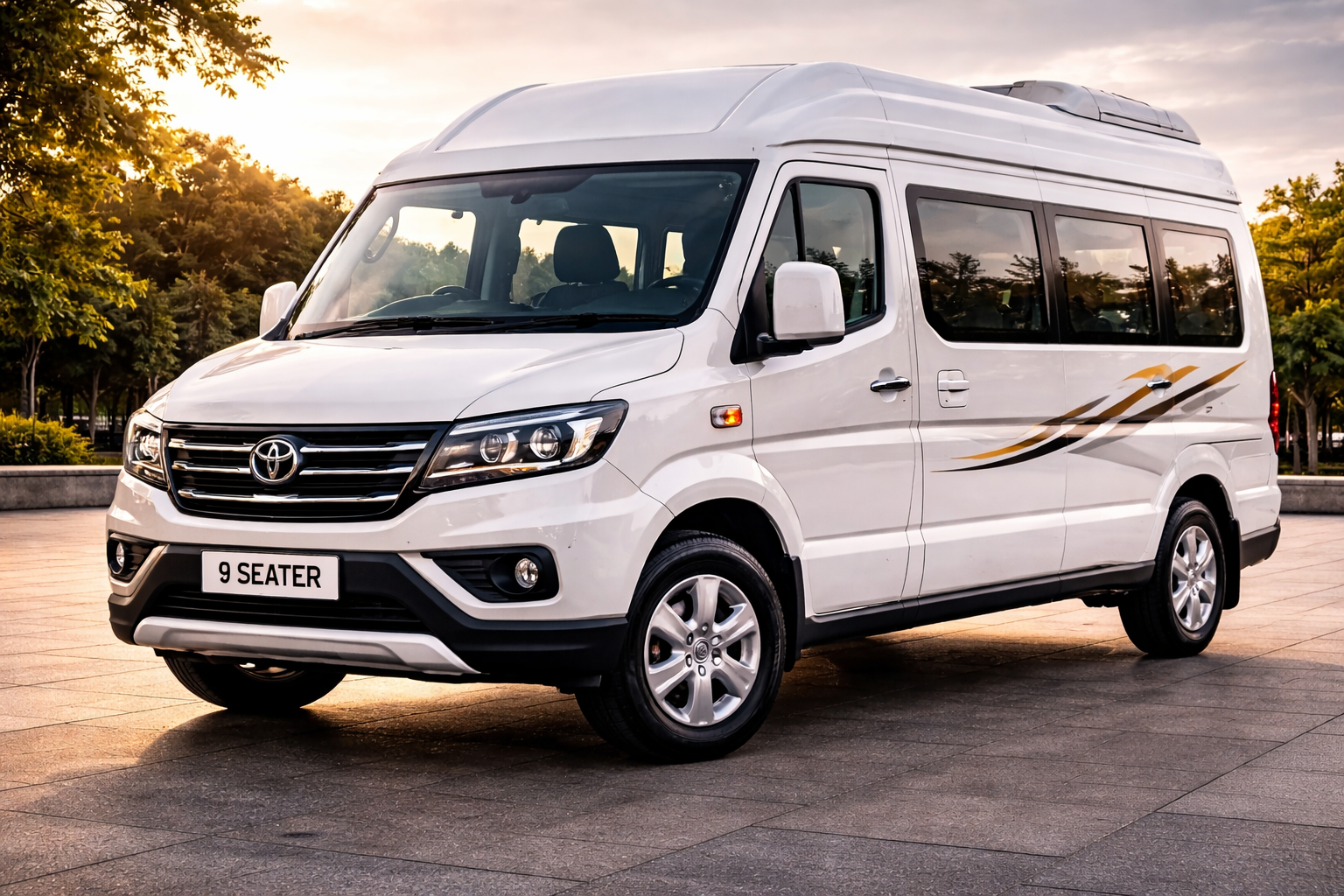
Shimla works beautifully for smaller family groups — 4 to 8 people on a 3 to 4 night trip. The city is compact, sightseeing points are close together, and a 9-seater tempo traveller from 9ice India Travels covers everything comfortably. For a group of 6, the per-head cost of a round trip becomes remarkably affordable compared to booking individual cabs or flying.
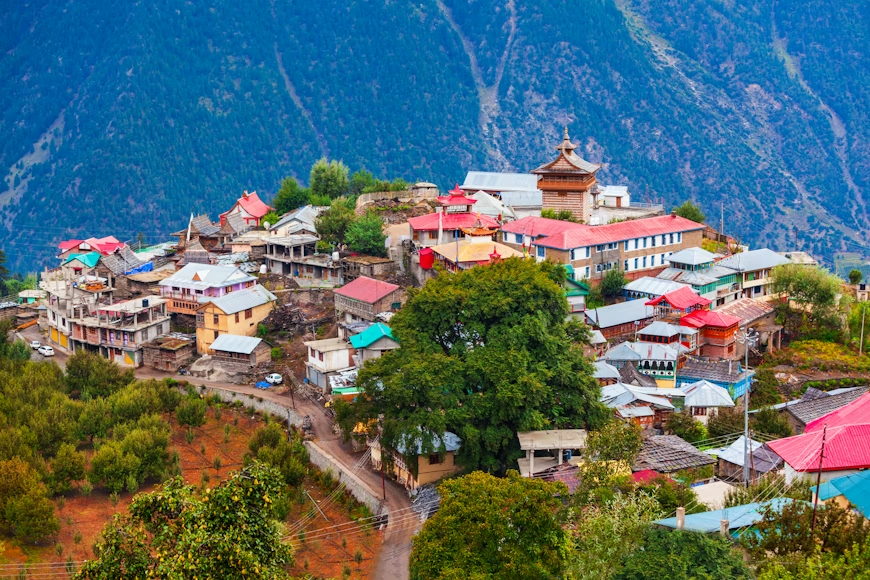
Manali is where larger groups genuinely come into their own. With open valleys, riverside camps, adventure activity zones spread across the region, and multiple sightseeing circuits, a group of 10 to 16 people has space to breathe and explore. Our 12-seater and 16-seater tempo travellers are the go-to choice for extended family groups heading to Manali — everyone travels together, luggage stays together, and you’re not coordinating across three separate vehicles.
The simple maths: split for a 12-seater across 12 people and your per-head vehicle cost is ₹1,500. No rideshare app, no airline seat, no city taxi comes close to that for a hill station journey from Delhi.
Shimla vs Manali — Weather, Season & Road Conditions
Picking the right travel window is as important as picking the destination.
Shimla is accessible almost year-round. October to June is the broad sweet spot. December to February brings snowfall at Kufri, which is perfect for families wanting a snow experience without the extreme altitude of Manali. Summers (April–June) are pleasantly cool at around 15–25°C — ideal for Delhi families escaping the heat. The roads to Shimla rarely close entirely, making it a low-risk choice even for first-time hill travellers.
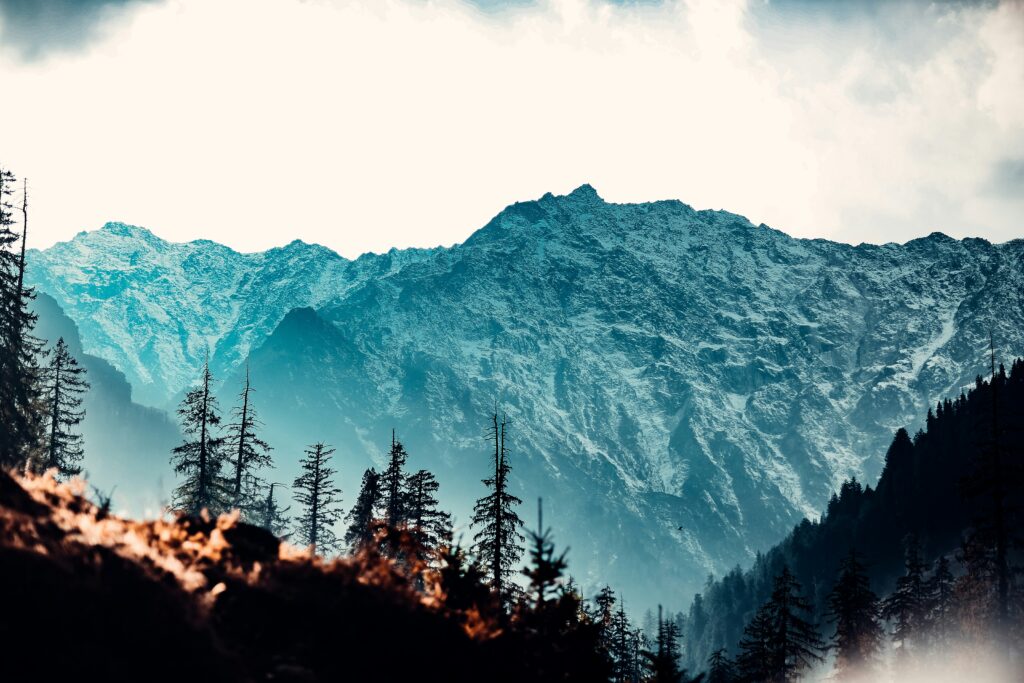
Manali has a tighter travel window. May to October is the reliable season. The Rohtang Pass — a major highlight for snow — requires a permit and can close without warning. However, the Atal Tunnel (opened in 2020) now connects Manali to Lahaul year-round, which reduces the risk of being cut off on longer trips. December to February in Manali means deep snow, extreme cold, and roads that require chains and experienced drivers.
Our practical advice: if you’re travelling in December or planning at short notice, Shimla is the safer, more predictable bet. If you have May or June locked in and want a proper mountain experience — go to Manali.
Things to Do — Family Activities at Each Destination
Shimla is built for relaxed, unhurried family sightseeing. Mall Road for evening walks and shopping, Kufri for snow activities and toy rides, Jakhu Temple for the trek and the views, the Kalka–Shimla Toy Train for the kids, and Chail for a quieter day away from the crowds. A tempo traveller makes point-to-point coverage of all these spots seamless — no negotiating with local taxis at every stop.
Manali leans more adventurous. Solang Valley for snow activities and cable cars, Rohtang Pass for the high-altitude experience (permit required), white-water river rafting on the Beas for older kids and adults, Hadimba Temple for the scenic walk through deodar forests, and Old Manali for its relaxed café culture. The distances between activity zones in Manali are greater, which is exactly why having your own tempo traveller matters — flexibility without the hassle.
Cost Breakdown for a Group Trip from Delhi
Accommodation in both destinations ranges from to per room per night depending on season and category. For a group of 10 sharing rooms across 3 nights, total trip cost including vehicle, accommodation, and food typically lands between and for Shimla, and to for Manali — significantly cheaper per head than any comparable fly-and-stay package.
Which Should You Choose?
Here is the honest decision framework:
- 3–4 days available → Shimla
- 5–7 days available → Manali
- Travelling with elderly or children under 5 → Shimla
- Group wants snow + adventure activities → Manali
- Budget is the primary constraint → Shimla (shorter distance, lower vehicle cost)
- First hill station trip for the family → Shimla
- Group of 10+ and everyone is up for it → Manali
Either way, the journey starts from Mahipalpur.
Frequently Asked Questions
Which is closer to Delhi — Shimla or Manali?
Shimla is significantly closer at approximately 344 km, compared to Manali at around 570 km. Shimla is also an easier drive, making it the preferred choice for families wanting a shorter trip.
Can a tempo traveller go all the way to Manali and Rohtang Pass?
Yes. 9ice India Travels operates tempo travellers on both routes with drivers who have extensive hill-route experience. Access to Rohtang Pass is subject to seasonal availability and the NGT permit system — we help coordinate this for our customers.
How many people can travel together in a tempo traveller from Delhi?
9ice India Travels offers 9-seater, 12-seater, 16-seater, and 20-seater tempo travellers — suitable for family groups of all sizes departing from Delhi NCR.
What is the best time to book a group cab or tempo traveller for Shimla or Manali?
Book at least 7 to 10 days in advance during peak season (May–June and December). Large vehicles fill up quickly during school holidays and long weekends. Last-minute availability cannot be guaranteed.
Plan Your Trip with 9ice India Travels
Both Shimla and Manali are magnificent in their own right — the shimla vs manali debate really comes down to your group’s time, energy, and expectations. What doesn’t change is this: a road trip in a comfortable, well-maintained group vehicle from Delhi makes the entire experience better. No airport queues. No luggage limits. No coordinating across five separate cabs at the other end.
Planning a Shimla or Manali trip from Delhi? 9ice India Travels provides 9-seater to 20-seater tempo travellers, Innova Crystas, and group cabs — departing from Mahipalpur, serving all of Delhi NCR. Call +91-9560937007 or WhatsApp us to get an instant quote for your group.